


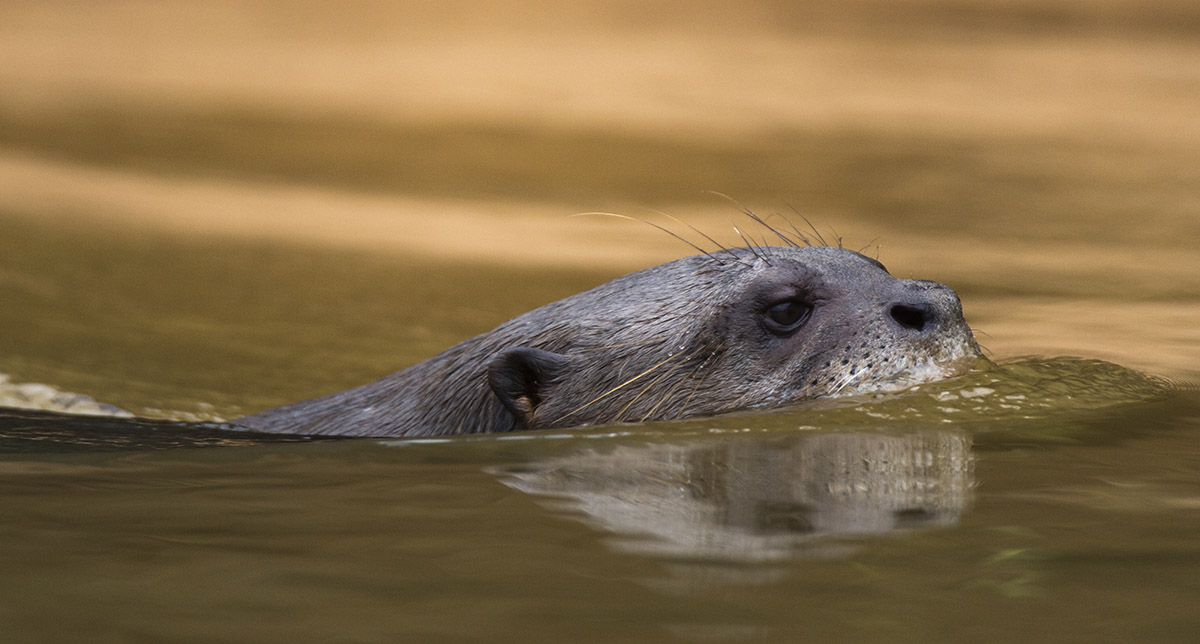
In this article, we once again have the collaboration of our friend Jorge Iván Sánchez Quintero, biologist and animal trainer, who shares how positive reinforcement and progressive habituation to veterinary procedures make a significant difference. The goal? As always, efficient handling and an improved quality of life for these incredible animals.
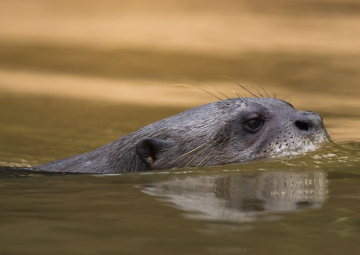
One of my great mentors, Cecilia Marré, once said, "Training domestic dogs is easier than training wildlife." Why did she say this? Because dogs naturally want to please their owners—they love being by their side, following commands, and earning their approval. Wild animals, on the other hand, are primarily driven by their own needs and have no interest in pleasing their caregivers or trainers. However, experience has shown us that giant otters behave more like domestic dogs—they actively seek interaction with their caregivers and trainers, call out when they hear them nearby, enjoy physical contact, and form strong imprinting bonds. You can see more about this in a previous WeZooIt article:
Imprinting: An Essential Bond for Well-being and Conservation
All of this greatly facilitates the training processes we implement with this species—giant otters are extremely intelligent and highly cooperative.
Both classical and operant conditioning have been applied in aquariums and zoos since the 1960s, providing a scientific foundation to improve medical procedures, nutrition, and daily management routines. These techniques enhance animal welfare while ensuring the safety of the staff responsible for their care.
This article highlights training methods used with Pteronura brasiliensis at the Cali Zoo Foundation, demonstrating how classical and operant conditioning contribute to friendly handling techniques that improve animal quality of life, strengthen preventive medicine, and enhance caregiver interactions. Additionally, it is evident that conditioning significantly reduces the need for anesthesia in medical procedures. Ultimately, training requires time, effort, and commitment from the entire team to ensure a better quality of life for wild animals under human care.
Training Processes in Giant Otters The following training protocols have been implemente:
- Target training: Animals respond to a target stick, behavior marker (clicker or whistle), verbal and gestural commands.
- Handling station training: Training for voluntary entry into handling areas, training stations, and transport crates.
- Weight measurement: Otters voluntarily step onto a platform scale.
- Medical training: Administration of oral, topical, ophthalmic, subcutaneous, and intramuscular medications, as well as voluntary blood collection and podal (foot) care.
Below, we describe some of these procedures and include images and videos.
1.- Positive Response to Verbal Commands
Also called "charging the voice," this is a crucial step in training. It ensures that any individual reliably responds to their name or a specific call, which indicates trust in the caregiver and enables further training
2.- Raising Limbs, Paws, or Hands
In this exercise, the otter learns to offer its paws for inspection, cleaning, medical checks, or treatments. This routine is essential since many zoo-housed animals are prone to podal diseases. Ideally, a designated marking area or mesh barrier is used for positioning. When the otter places its paw in the correct spot, the behavior marker (clicker or whistle) is activated, followed by immediate reinforcement.
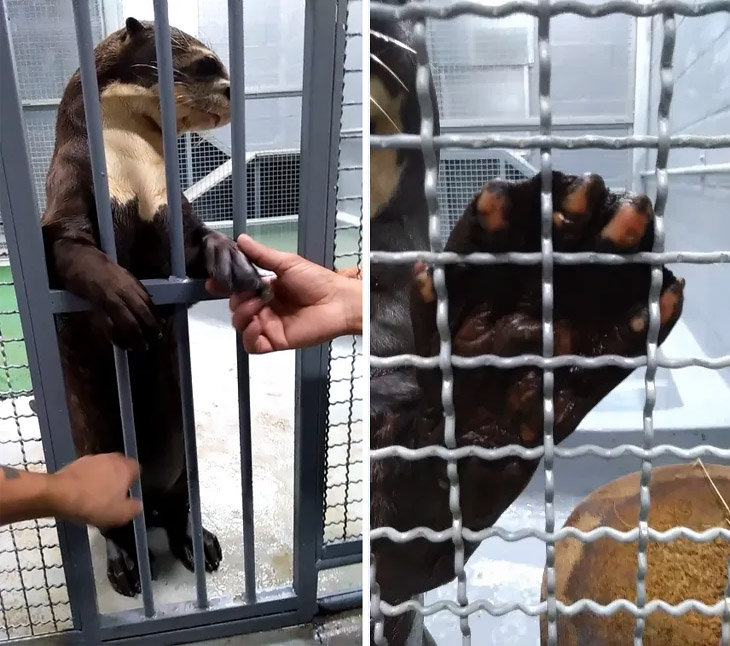
Image 1: Otter positioned for limb inspection and treatment.
Image 2: Evidence of minor limb injuries under treatment and recovery thanks to veterinary-prescribed medication.
3.- Desensitization for Medical Procedures
This process involves progressive desensitization of the tail, legs, abdomen, ears, neck, and paws. These areas are essential for ultrasound scans, blood sampling, or medication administration. The training involves gradual introduction of touch, followed by gentle pinching with increasing intensity. Eventually, a blunt needle is used to simulate injections, ensuring the animal remains calm and accepts handling.
Watch desensitization video:
4.-Recall and Stationing in Handling Areas
Essential for safely guiding otters into handling zones for medical checks, cleaning, and logistical purposes. This is one of the most critical training behaviors for ensuring smooth animal management.
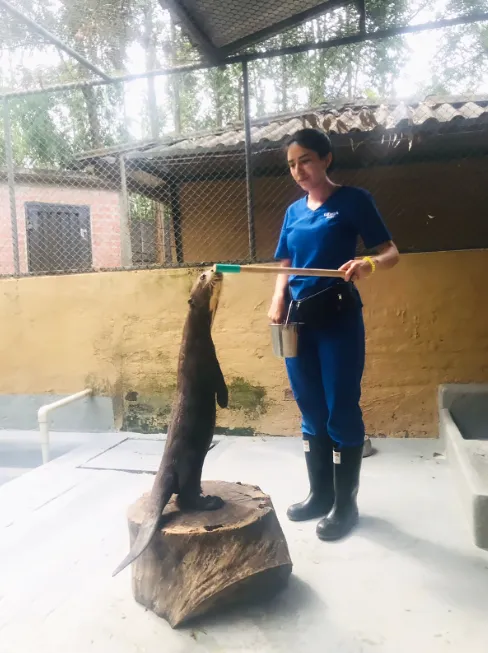
Image 3: Otter trained for targeting and positioning.
5.- Blood Sampling Training
This technique teaches otters to voluntarily present a limb or tail for venipuncture. It is crucial for monitoring health and preventive medicine without requiring anesthesia.
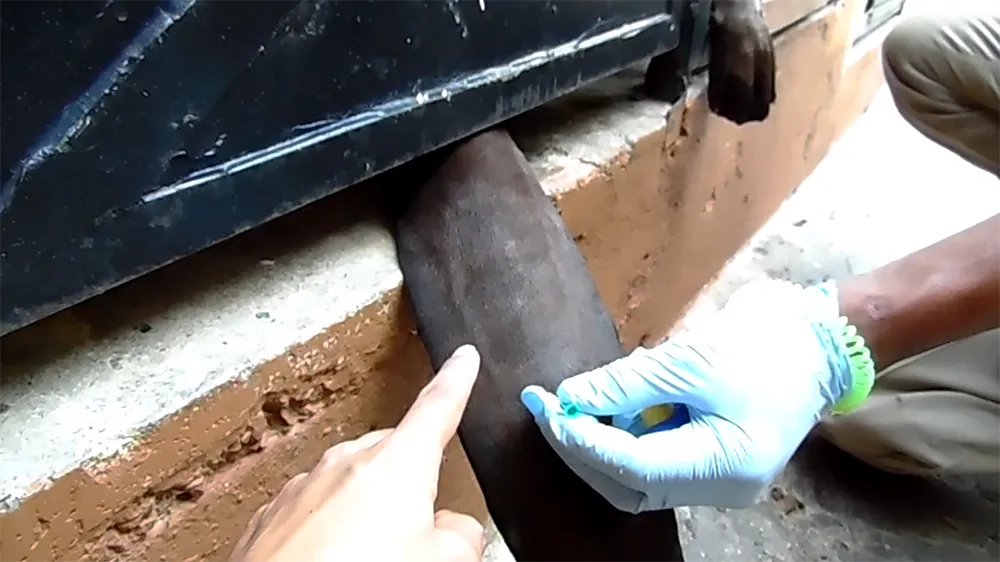
Image 4: Observing veins in the otter's tail for blood sampling training.
6.- Oral Medication Administration
One of the most challenging exercises, as medications often have unpleasant tastes or odors. Initially, palatable liquids or food items are offered, reinforcing the behavior before gradually introducing homeopathic tablets or flavored medications.
7.- Ultrasound and Medical Handling
This training includes stationing for ultrasound scans, body condition evaluations, auscultation, and topical medication application.
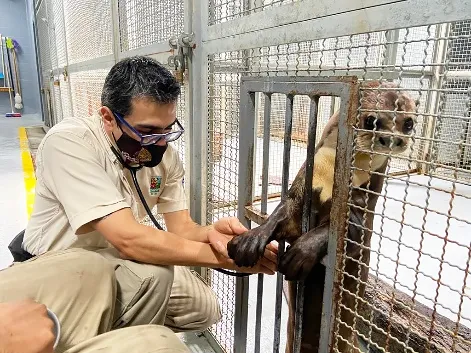
Image 5: Otter positioned for ultrasound and auscultation training.
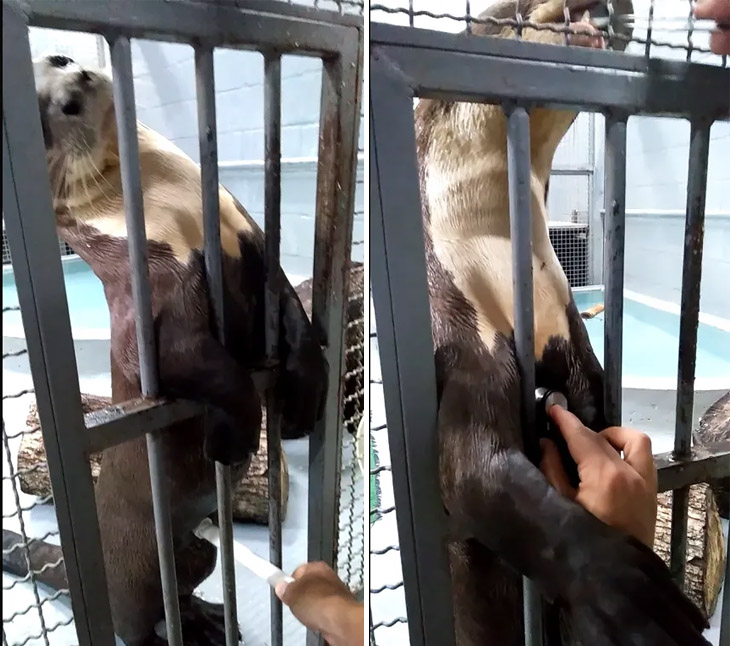
Image 6: Otter voluntarily entering a transport crate.
Pesaje: para poder llevar a cabo este ejercicio, se recomienda construir plataformas de madera gruesas y seguras para ubicar encima de las barras de pesaje, después ubicar en zona de manejo y enseñar a las nutrias el proceso para subir a esta. Ver video pesaje.
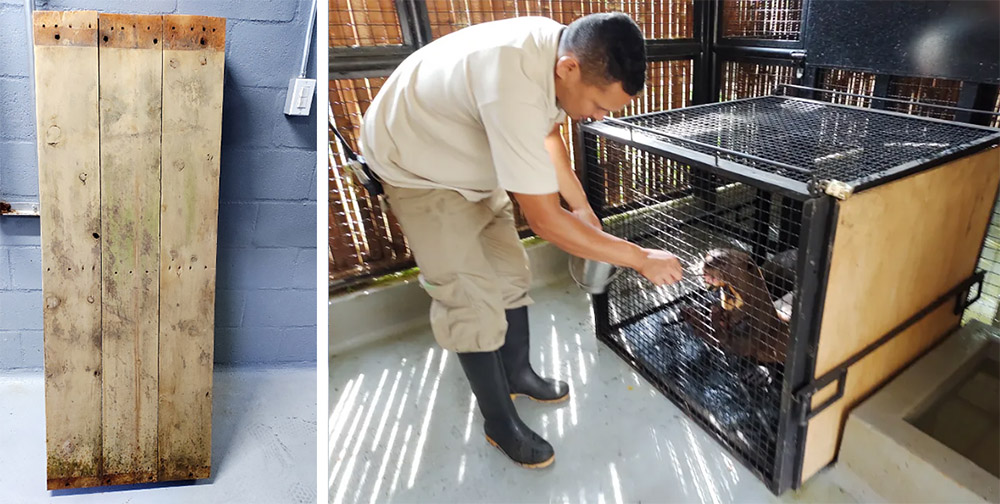
Image 8: Plataforma para pesaje, madera gruesa y resistente.
Image 9: Entrenamiento de nutrias para subir a plataforma y tomar su peso.
8.- Voluntary Transport Crate Entry
To ensure stress-free transport, handling areas are designed with built-in transport crates so that otters see them as part of their environment. Training them to voluntarily enter crates prevents the need for forced handling.
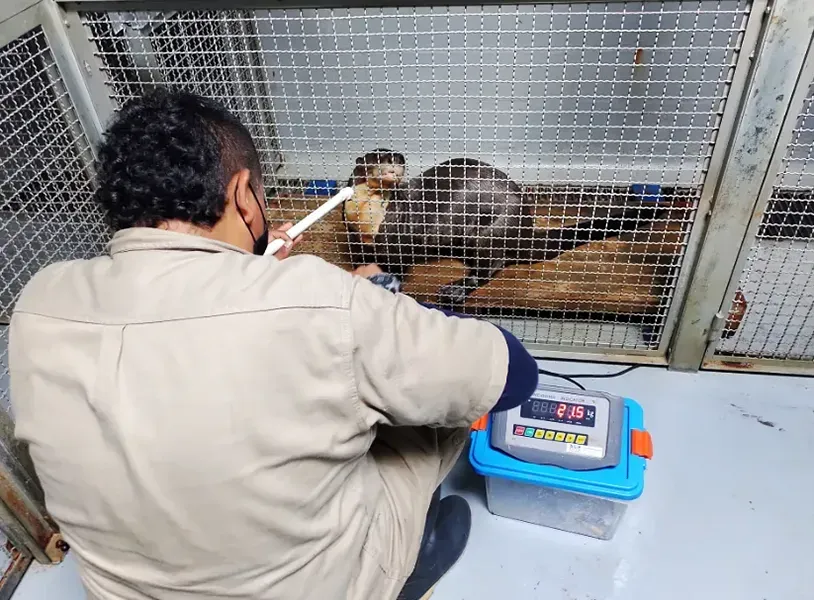
Image 10: Entrenamiento de nutrias para ingreso a caja de transporte de manera voluntaria.
Medical and Welfare Benefits
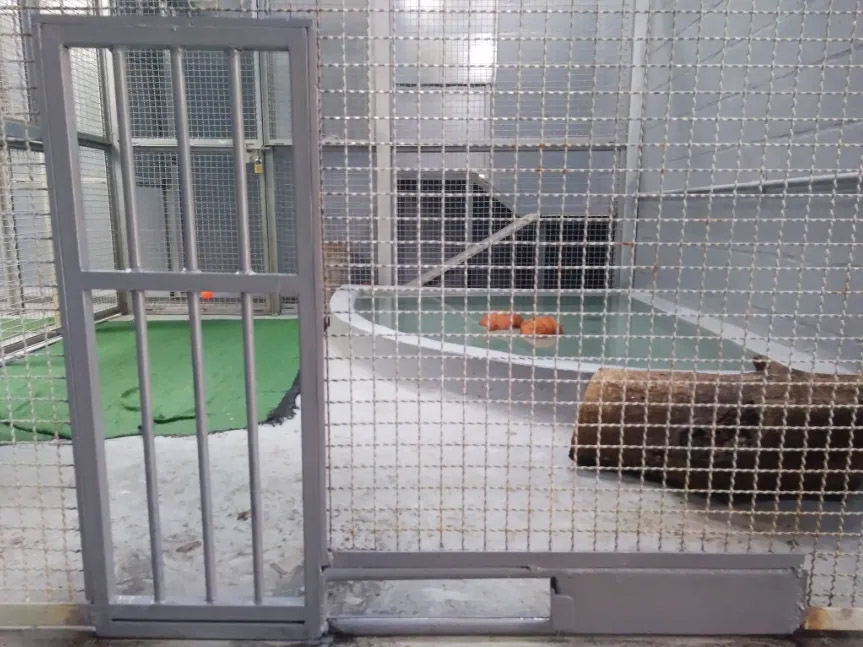
Image 11: Ventanas que facilitan los procesos de enseñanza para ecografía, auscultación, evaluación de condición corporal, medicación tópica, extracción de sangre y citologías.
- Medical Advancements: Facilitates preventive care, weight monitoring, parasite control, routine medical exams, vaccinations, and more accurate diagnostic testing.
- Welfare Improvements: Reduces stress and anxiety for both animals and caregivers while minimizing the number of anesthetic procedures required throughout an animal’s life.
Operant conditioning allows medical procedures to be conducted without chemical or physical restraint, preventing stress-related physiological responses such as increased corticotropin-releasing hormone (CRH) levels (Bach, Mil, Lav, & Julio, 2008).
Both classical and operant conditioning are invaluable tools that enable veterinarians to practice preventive medicine in wild animals under human care—efficiently, safely, and with minimal stress.
The implementation of these training protocols in wildlife opens doors for more extensive diagnostic testing and safer medical treatment. Although easier to apply in domestic animals, conditioning offers significant advantages in wildlife care, ensuring their well-being while maintaining high veterinary standards.
Special thanks to Cali Zoo, welfare promoters Diego Posso, Diego Narváez, Esteban Calle, Miguel Calderón, nurse Jenny Marulanda, intern Gabriel Rodríguez Aranguren, volunteer Valentina Paz, and veterinarian Mario Alves. And of course, to our friends at WeZooIt for always giving us the opportunity to share our work with the world.
And remember,
if it’s possible… WeZooIt!